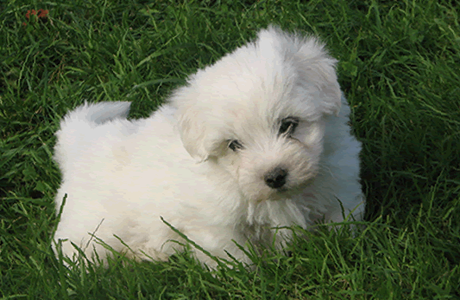
 Sometimes a breeder has a puppy who is a little older than the usual eight to twelve weeks. Maybe the timing was not right, maybe the puppy was held back to see how it developed, or maybe a planned home fell through. These puppies are just as lovely as younger ones, and often a bit easier to live with.
Why an older puppy can be a good choice
By the time a puppy is four, five or six months old, some of the early work is already done. Many are house trained, used to a crate, and have had their first vaccinations. They have also had time to be socialised with people and other dogs, which can make the move to a new home a little smoother.
You also get a clearer picture of what the puppy looks like and how it moves. With a very young puppy, you are guessing. With an older one, you can see the coat, the structure and the character beginning to settle.
What to ask
If you are considering an older puppy, ask the breeder the same questions you would ask about a younger one, and a few more:
- Why is this puppy still available?
- What has it been fed, and what is its daily routine?
- Is it house trained, and does it sleep through the night?
- How has it been socialised, and with whom?
- What health checks have been done, and what is still to come?
- Is there a health guarantee, and what does it cover?
A good breeder will be glad to answer these questions, and will want to know about your home and your plans for the dog.
Where to look
Older puppies are usually listed alongside litters, or mentioned directly by breeders. Check the Litter Announcements page, and look through the Breeders' Directory for members near you. If you would like to be told when an older puppy becomes available, please write to us, call us, or come and visit us at a club event, and we will keep you in mind.
As of 2026, the club is glad to help match older puppies with the right homes. If you are not sure whether an older puppy is right for you, we are happy to talk it through.